Somerstown council guide to disposing floral waste responsibly
Posted on 13/10/2026
If you have ever looked at a wilted bouquet on the kitchen side, a bucket of stem cuttings after an event, or a heap of petals after a wedding, you will know floral waste can pile up quietly and then suddenly become a mess. The Somerstown council guide to disposing floral waste responsibly is really about one thing: making sure flowers, foliage, ribbons, wraps, and leftover arrangements are handled in a tidy, sensible way that works for your home, your business, and the local environment. It is not glamorous. But it matters more than most people think.
Done well, floral waste disposal keeps bins cleaner, reduces smells, supports recycling where possible, and helps avoid contamination in mixed waste. It also means you are less likely to make the sort of avoidable mistake that turns one small bouquet into a soggy bag of regret. Truth be told, most people do not need a complicated system. They need a clear one. This guide gives you that, step by step, with practical advice you can actually use in Somerstown and across nearby London households, offices, venues, and shops.
Table of Contents
- Why Somerstown council guide to disposing floral waste responsibly Matters
- How Somerstown council guide to disposing floral waste responsibly Works
- Key Benefits and Practical Advantages
- Who This Is For and When It Makes Sense
- Step-by-Step Guidance
- Expert Tips for Better Results
- Common Mistakes to Avoid
- Tools, Resources and Recommendations
- Law, Compliance, Standards, or Best Practice
- Options, Methods, or Comparison Table
- Case Study or Real-World Example
- Practical Checklist
- Conclusion
- Frequently Asked Questions
Why Somerstown council guide to disposing floral waste responsibly Matters
Floral waste looks harmless, but it behaves differently from ordinary dry rubbish. Fresh stems hold water. Leaves shed. Foam, cellophane, ribbons, and compostable-looking extras often get mixed together. That mix can create odour, leakage, and contamination in the wrong bin. If you are in a flat, a terrace, a shop, or a venue in Somerstown, you already know bin space is precious. One wet bouquet in the wrong bag can make the whole thing unpleasant fast.
Responsible disposal matters for several practical reasons. First, it helps keep recyclable and compostable material separate from general waste. Second, it reduces the amount of unnecessary rubbish going to disposal routes that do not suit organic material. Third, it helps staff, residents, and waste collectors avoid messy handling. And yes, there is also a simple dignity to doing it properly. Flowers may be temporary, but the mess they leave behind does not need to be.
There is another angle too. Floral waste is often part of wider event waste, shop waste, or household end-of-week clearing. If you manage it well, you often improve the whole waste routine. That is why this guide is not only for gardeners or florists. It is for anyone who wants to make floral waste disposal less annoying and more effective.
Expert summary: The best approach is usually to separate organic flower matter from packaging, remove non-compostable items, drain excess moisture, and choose the disposal route that fits the material type and your local collection set-up.
How Somerstown council guide to disposing floral waste responsibly Works
The basic idea is straightforward: sort the floral material first, then decide the right route for each part. Not everything in a bouquet belongs in the same bin. In fact, that is where most of the trouble starts.
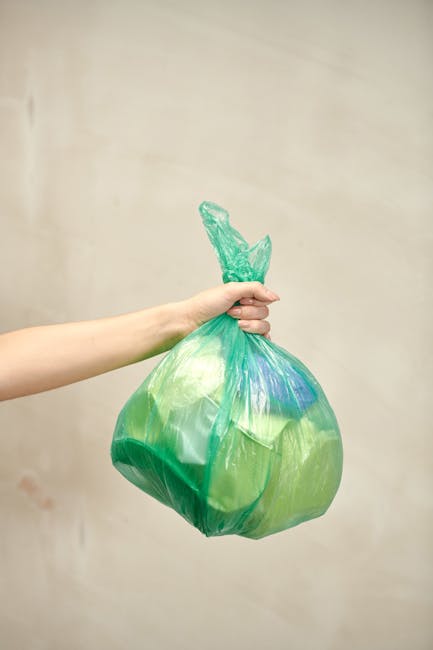
Think of a typical arrangement. You might have rose stems, leaves, water from the vase, a rubber band, paper wrap, plastic film, a ribbon, and maybe floral foam. Some of those items are organic. Some are recyclable in the right system. Some are general waste. A responsible disposal approach separates them before they become one soggy lump in a black bag. Simple, but powerful.
For households, the process is usually small-scale: remove packaging, trim and dry where possible, then place organic matter into the correct waste stream if your local arrangements allow it. For businesses, event venues, or florists, it may involve set collection routines, back-of-house sorting, and stricter attention to contamination. That is where a calm, repeatable method saves time.
One thing to remember: floral waste is not just "flowers." It includes stems, leaves, deadheads, vase water, spoiled display pieces, and often leftover event decor. If you are not sure whether something is organic or not, pause and check the material rather than tossing it by habit. That small pause helps more than people expect.
What counts as floral waste?
Most commonly, floral waste includes cut flowers, stems, leaves, foliage, damaged bouquets, petals, and leftover arrangement trimmings. It can also include plant material removed during display refreshes. If you work with larger volumes, the waste may also include broken containers, ties, hydration packs, and packaging from deliveries.
What should be kept out of organic flower waste?
Items such as plastic sleeves, cellophane, foam, wire, tape, glitter, batteries, and non-paper decorations should be separated. Even paper packaging is not automatically compostable if it has plastic coating or heavy ink. When in doubt, treat it as a separate material until you know how it is meant to be handled.
Key Benefits and Practical Advantages
Responsible floral waste disposal offers more than a tidy bin. It improves daily workflow and avoids the little problems that become big ones.
- Less smell and mess: Fresh organic waste left to sit with packaging and liquid quickly becomes unpleasant.
- Cleaner recycling streams: Mixing flowers with plastic wrap or general waste can contaminate otherwise recyclable material.
- Better bin capacity: Drying and separating waste reduces bulk and frees up space.
- Safer handling: Sharp wire, broken glass, and soggy stems are easier to manage when sorted properly.
- More sustainable habits: You support better material recovery and reduce unnecessary disposal.
- Less stress for events and businesses: A predictable system keeps end-of-day clean-downs calm. Or at least calmer. Nobody loves a midnight bin scramble.
There is also a subtle but real benefit: once the habit is in place, everyone around you gets better at it. That matters in homes with shared bins and even more in workplaces where one sloppy bin can spoil the lot. You notice the difference after a week or two. The bins stop being mysterious little disasters.
Who This Is For and When It Makes Sense
This guidance is useful for a wide range of people. If flowers appear in your life at all, there is a good chance you will need it at some point.
- Households: For bouquets from birthdays, anniversaries, or sympathy flowers that have passed their best.
- Flat shares: Shared bins make sorting especially important, because one person's waste becomes everyone's problem.
- Florists: Cutting waste, removed stems, and unsold stock need a clear routine.
- Cafes, hotels, and offices: Reception flowers and event decor can create regular waste that needs planning.
- Wedding and event venues: Large-scale floral breakdowns demand fast, tidy, and responsible sorting.
- Funeral and memorial settings: Sensitivity matters here, and disposal should be handled discreetly and respectfully.
If you only deal with the odd vase at home, your method can stay very simple. If you handle flowers commercially, you will want a more structured process. The principle is the same, but the volume changes everything. That is where a lot of people get caught out.
Step-by-Step Guidance
Below is a practical, realistic approach you can use whether you are clearing a kitchen table bouquet or dealing with post-event flower debris. Keep it simple. A neat routine beats a complicated one that nobody follows.
1. Separate organic material from packaging
Take the bouquet apart. Remove cellophane, plastic ties, foam, ribbons, cards, and wire. Put each material into the correct waste stream if you have one available. If not, at least keep the packaging separate from the flower matter. This makes everything else easier.
2. Empty and inspect water containers
If flowers have been sitting in a vase or bucket, pour away the water carefully. Check for leaves, bits of stem, or any hidden objects before tipping. It sounds obvious, but one small rubber band can end up in the wrong place without anyone noticing.
3. Trim and drain wet stems if needed
Very wet stems can make bags heavier and leakier than they need to be. If appropriate, let them drain or dry for a short time before bagging. You are not trying to preserve them. Just trying to keep the waste manageable.
4. Decide whether the flower material is compostable in your set-up
If you have a composting route available and the materials are suitable, place the plant matter there. If you do not, follow the waste arrangement you use locally. Do not assume all organic-looking material belongs in compost. Florist foam, for example, is a different story altogether.
5. Bag or contain the waste properly
Use a suitable bag or bin liner. Do not overfill it. A bag packed with damp petals and thorny stems can tear at the worst possible moment, usually when you are carrying it down the stairs in a hurry. To be fair, that is just the sort of thing life enjoys.
6. Clean the containers
Rinse vases, buckets, or trays after emptying them. Dry them where you can. A quick clean stops smell build-up and makes the next use more pleasant. In a business, this also helps avoid sticky residue and visible grime in front-of-house areas.
7. Review whether any part can be reused
Some flowers or foliage may still be usable for arrangements, drying, or decorative reuse if they are in decent shape. If you work with flowers often, reuse is one of the easiest ways to reduce waste in the first place.
Expert Tips for Better Results
In our experience, the best results come from small habits rather than big dramatic changes. A few practical adjustments make floral waste much easier to handle.
Keep a "strip-and-sort" zone
Set aside one small area for unpacking flowers and separating waste. Even a counter corner with a bag for packaging and a box for organic material helps. It saves time and prevents that spread-out, chaotic feeling when everything is on the floor and everyone is pretending not to notice.
Use separate containers for wet and dry waste
Dry packaging and wet flower waste should not live together for long. If they do, the whole lot becomes messier than it needs to be. Two containers is often enough.
Handle floral foam carefully
Floral foam is not the same as plant waste. It is often used in arrangements, but it does not behave like organic matter and should be treated separately according to its material type and local disposal route. Many people get this wrong, honestly.
Train staff or family members once, not ten times
One short explanation about what goes where is usually enough. You do not need a lecture. A simple visual reminder, a label, or a bin sign can stop repeated mistakes.
Think ahead after busy weekends
After weddings, holidays, or busy delivery days, floral waste can build quickly. Plan an extra collection or end-of-shift sorting slot if you know a busy period is coming. Monday mornings can be rough enough already.
Reuse where it makes sense
Not every stem is waste straight away. A slightly tired arrangement can sometimes be broken down into smaller displays, dried pieces, or short-term decorative use. That is not always possible, but when it is, it reduces disposal volume without much effort.
Common Mistakes to Avoid
Most problems with floral waste come from a handful of repeat mistakes. Avoid these and the whole process gets much easier.
- Mixing all materials together: This is the most common issue. Organic waste, plastic wrap, and wire should not be dumped as one.
- Leaving water in containers: Water adds weight, spills in corridors, and can encourage smells.
- Forgetting about hidden materials: Ties, foam, tags, and stems with wire supports are easy to miss.
- Overfilling bags: Wet waste is heavy. A bag that looks fine on the counter may fail on the way to the bin.
- Assuming "biodegradable" means anywhere: Not all biodegradable packaging belongs in the same place, and some items need specific conditions to break down properly.
- Waiting too long: Floral waste is best dealt with promptly. Leave it, and the smell arrives before the logic does.
One slightly overlooked mistake is storing used floral waste near clean stock or living areas. In a home, that might mean leaving it by the sink. In a shop, it might mean keeping it too close to the display area. Keep the waste zone separate. That small discipline saves a lot of bother.
Tools, Resources and Recommendations
You do not need specialist equipment to dispose of floral waste responsibly, but the right basics help a lot.
- Small sorting bins: Useful for separating packaging from organic waste at the source.
- Bin liners: Choose sizes that fit your waste flow, not just the biggest bag you can find.
- Labels or signs: Very helpful in shared homes, offices, florists, and venue prep areas.
- Gloves: Handy when dealing with thorny stems, broken wire, or damp waste.
- Clean-up cloths and a spray bottle: Good for rinsing residue from buckets and tables.
- Compost caddy or organic waste container: Useful where a suitable food-and-garden or organic collection exists.
For shoppers looking to reduce waste at the source, it can also help to choose arrangements designed with simpler packaging or longer-lasting blooms. If you buy flowers regularly, the broader store pages for flower care and sustainability are useful starting points for making flowers last longer and creating less waste in the first place.
That said, not every issue is solved by the same tool. A florist preparing for a busy delivery day needs different kit from a household clearing one vase after Sunday lunch. Match the method to the reality in front of you. Nice and plain, really.
Law, Compliance, Standards, or Best Practice
Floral waste disposal in the UK should be approached with normal waste hierarchy thinking: reduce, reuse, recycle, and dispose of the remainder responsibly. That is the practical standard most people should aim for, even if the details vary by property type, collection service, and material.
For households, the main rule is to follow the local collection system and keep contamination down. For businesses, there can be more responsibility around separating waste streams, managing commercial waste contracts, and ensuring staff are trained to sort materials correctly. If you run a shop, venue, or hospitality space in Somerstown, it is wise to treat floral waste like any other operational waste: plan it, label it, and review it regularly.
It is also sensible to be careful with items such as floral foam, mixed-material packaging, and wired arrangements. These are the bits that often create uncertainty. If a material is not cleanly compostable or recyclable in your set-up, do not guess. Put it in the correct general waste route or seek clarification through your own waste provider arrangement. The safe choice is better than the hopeful one.
Best practice also means keeping work areas clean, preventing leakage, and avoiding odour build-up. In shared buildings or customer-facing spaces, this is more than tidiness. It is part of good housekeeping. Simple, yes, but not trivial.
Options, Methods, or Comparison Table
There are a few common ways floral waste gets handled. The right one depends on the material, the volume, and what your local waste setup can accept. Here is a practical comparison.
| Method | Best for | Pros | Watch-outs |
|---|---|---|---|
| General waste disposal | Mixed floral waste with non-compostable materials | Simple and widely available | Less sustainable; can become wet and smelly |
| Organic or garden waste stream | Clean plant matter such as stems, petals, and leaves | Better material recovery; cleaner waste separation | Only suitable if your local arrangement allows it and the material is uncontaminated |
| Reuse or repurposing | Flowers that are still in decent condition | Reduces waste volume and saves money | Not always possible; needs a little time and judgement |
| Drying or preservation | Sentimental blooms or decorative pieces | Extends life of flowers | Best for select stems, not bulk waste |
In a small home, the simplest route is often enough. In a commercial setting, a split approach works better: reuse some, separate organic waste, and keep the rest cleanly bagged. A little structure goes a long way.
Case Study or Real-World Example
A small florist near a busy London street, working with daily deliveries and weekend orders, noticed a familiar problem: by late afternoon the back room looked tidy enough, but the waste bin told a different story. Wet stems, sleeve plastic, spent bouquet ties, and the odd strip of ribbon were all going in together. By Friday, the bin smelled. Not awful, but enough to make staff wince every time they passed it.
The fix was not dramatic. They created two clear containers at the workbench: one for organic stems and foliage, one for packaging. They added a simple label for wire, tape, and foam pieces. Staff were asked to empty vase water before disposal and to trim large stems so the waste compacted better. The whole change took very little time, but the difference was obvious within a week. Less mess. Less smell. Faster end-of-day clean-up.
That sort of improvement is common. It is not magic; it is just better sorting. The same principle works in homes after birthdays or anniversaries, and in venues after weddings where flower tables, buttonholes, and ceremony displays create a surprising amount of waste. One clear routine is enough to bring order to the lot.
Practical Checklist
Use this checklist when disposing of floral waste responsibly in Somerstown:
- Remove all packaging, ties, ribbon, and decorative extras.
- Separate plant matter from plastic, wire, and foam.
- Pour away vase water safely.
- Check for hidden non-organic materials before bagging.
- Keep wet waste away from dry recyclable materials.
- Use a sturdy liner or container that will not split.
- Do not overfill bags.
- Clean buckets, vases, and work surfaces afterwards.
- Reuse or preserve any flowers that are still suitable.
- Follow your local waste collection arrangements for the final disposal route.
Quick takeaway: If you remember only one thing, make it this: separate first, dispose second. That one habit solves most of the problems before they start.
Conclusion
The Somerstown council guide to disposing floral waste responsibly is really about calm, practical sorting. Flowers are lovely while they last, but the waste they create needs a proper home. Once you separate the stems from the packaging, keep moisture under control, and choose the right disposal route, the whole process becomes much easier to live with.
Whether you are clearing one vase at home or managing a full event clean-down, a thoughtful system saves time, reduces mess, and supports better environmental habits. That is the kind of small win that quietly makes daily life smoother. And let's be honest, we could all use a few of those.
If you are planning a flower order, setting up a regular delivery routine, or simply want better flower management alongside responsible disposal habits, explore the site's useful pages on flower care, sustainability, and product ranges to make every arrangement go further.
Get a free quote today and see how much you can save.
Frequently Asked Questions
Can floral waste go in general waste?
Often, yes, especially if the bouquet contains mixed materials like plastic wrap, wire, or foam. The important thing is to separate anything recyclable or compostable first where possible. If the waste is mostly clean plant matter, another route may be better depending on your collection set-up.
Is flower waste compostable?
Many stems, leaves, petals, and foliage are compostable in principle, but only when they are clean and free from contamination such as plastic, foam, or wire. The material itself matters, but so does the waste stream available to you.
What should I do with florist foam?
Floral foam should not be treated like ordinary plant waste. It needs to be separated and handled according to its material type and the disposal route available in your area. Do not mix it with stems or leaves.
Can I recycle flower packaging?
Some packaging can be recycled, but not all of it. Plain cardboard may be suitable, while plastic sleeves, coated paper, and mixed-material wraps may not be. It is worth checking each item rather than assuming they all belong together.
How do I stop floral waste smelling?
Remove water, separate wet waste promptly, and keep it out of warm indoor spaces for too long. Clean vases and bins regularly. Smell usually starts when water, leaves, and packaging sit together. That mix is the real problem.
What is the best way to dispose of old bouquets at home?
Take the bouquet apart, remove packaging, empty the vase, and place the flowers in the correct waste stream available to you. If some flowers are still attractive, you could dry or reuse them first. A little effort there can save a surprising amount of waste.
Do wedding flowers need special disposal?
Not always special, but they do need planning. Weddings often create a lot of mixed floral material very quickly, so separating stems, decor, and packaging early makes the breakdown much easier at the end of the event.
Should florists separate floral waste from other shop waste?
Yes, absolutely. Florists handle much larger volumes, so separating organic waste from packaging and general refuse helps reduce contamination, smell, and handling problems. It also makes the back room far easier to manage.
Can dead flowers be reused before disposal?
Sometimes. If flowers are still reasonably fresh, they may be suitable for smaller arrangements, drying, or decorative reuse. Once they are beyond that point, disposal becomes the sensible next step.
What is the biggest mistake people make with floral waste?
The most common mistake is throwing everything together. Once flowers, water, plastic wrap, and wire are mixed, you lose the chance to recover useful material and create more mess than necessary. Separation at the start avoids most of that.
How often should floral waste be removed?
As often as needed to avoid smells, leakage, and clutter. For homes, that might be every few days. For businesses or events, it may need to happen daily or even more than once a day if volumes are high.
Does responsible floral waste disposal save money?
It can. Better sorting reduces overflow, improves bin use, and may help lower avoidable waste handling problems. Reuse and careful flower care can also make the original purchase last longer, which is a quiet but real saving.